

You don’t know what bad acne is until you’ve had cystic acne. It can be super painful.
For those of you that don’t know, cystic acne is a severe type of acne that happens when bacteria gets trapped inside a clogged pore.
It causes large, painful breakouts underneath the skin’s surface. But not just like minor breakouts, it’s more like cystic pimples that take FOREVER to heal and affect large areas of the skin.
Not only that, cystic acne can also cause scarring, wider pores, and even dents and dimples in the skin. And, every time, it’s just like WHYYY?
Cystic acne can be caused by a variety of things. Think pregnancy, menopause, menstrual cycle, excessive sweating, certain skin care or makeup products, certain medications – and the list goes on.
And we’re not trying to be dramatic or anything, but cystic acne flare-ups can actually be traumatic. Dealing with something like cystic acne, especially on a regular basis, can really take a toll on your self-esteem and overall confidence.
So, the reason you’re all here – how to reduce cystic acne?
Since a typical skincare routine may not be enough, we’ve put together a roundup of tried and tested tips on how to effectively reduce cystic acne and prevent it from coming back.
Let’s dive right in.
What Causes Cystic Acne
- Hormonal Fluctuations: This is usually the biggest culprit for adults; deep breakouts often happen when androgens spike, which is why many people find that birth control can actually help regulate their skin’s reaction to these monthly cycles.
- Genetic Predisposition: Sometimes it’s just in your DNA; if your parents dealt with deep, painful inflammatory acne, your skin might be naturally more prone to developing those deep-seated clogs that lead to cysts.
- Excessive Sebum Production: When your glands produce too much oil, it creates a “sticky” environment inside the pore; this oil traps bacteria deep down, eventually leading to the formation of large, tender acne cysts that feel like they are under a mountain of skin.
- Inefficient Skin Cell Shedding: If your body doesn’t naturally remove dead skin cells effectively, they mix with oil to create a “plug” in the pore; this is exactly why you need the right products to help clear the path and keep things flowing.
How To Reduce Cystic Acne
♡ Exfoliate regularly (GENTLY, please).
Since cystic acne is often caused by dead skin cells clogging up your pores, it’s a good idea to exfoliate your face on a regular basis. 1-2 times each week, depending on your skin type. Just remember to always be gentle, especially if you’re currently going through a flare-up.
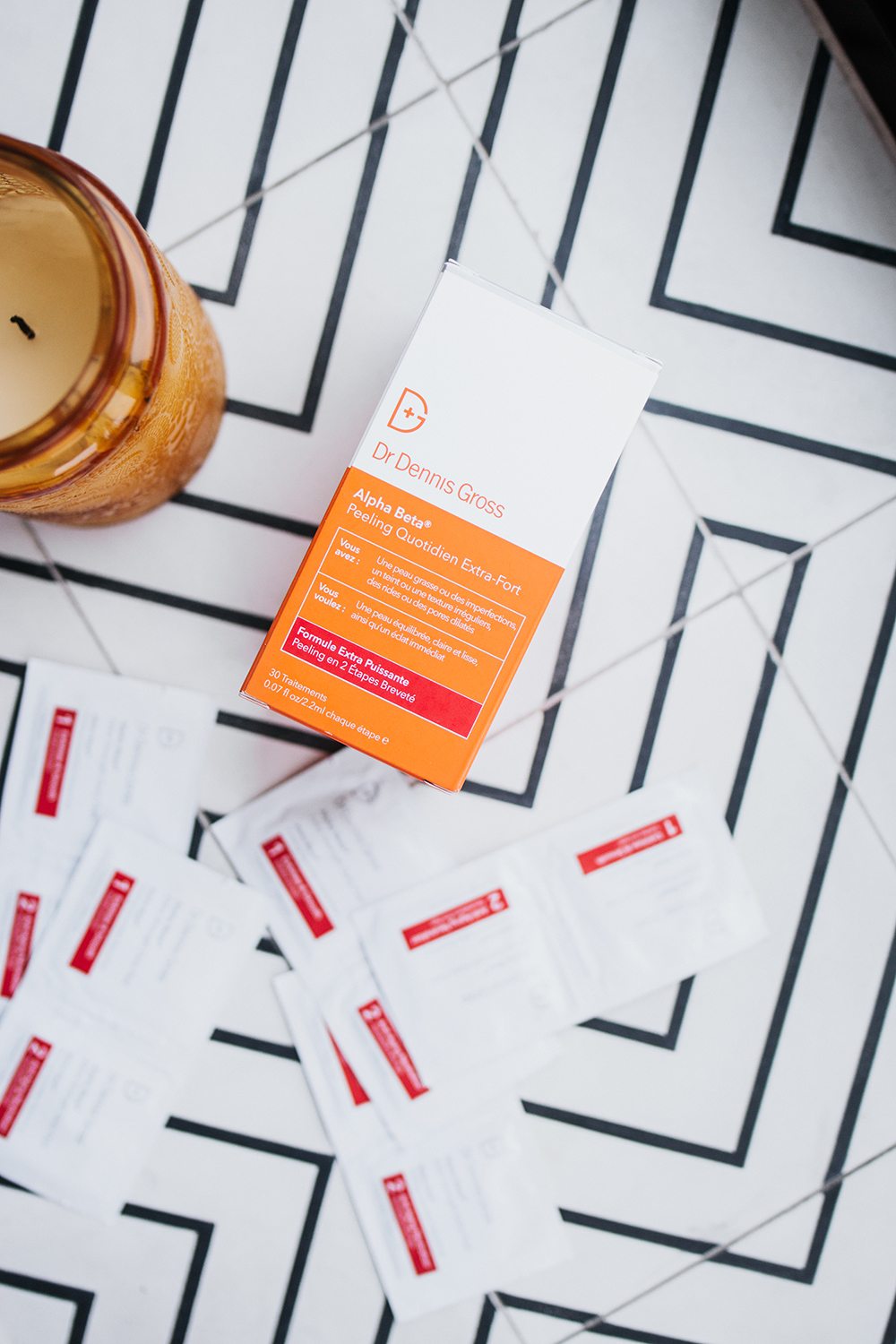
For a super gentle exfoliation, simply use a gentle face cleanser and a baby washcloth. We also recommend Dr. Dennis’s peel pads because it’s a peel, rather than a harsh exfoliant. We like La Roche-Posay Effaclar Medicated Gel Acne Cleanser, because it has two active exfoliating ingredients. And CeraVe Salicylic Acid Cleanser, because salicylic acid is an exfoliant and this product is made for sensitive skin. Be sure to exfoliate your lips too.
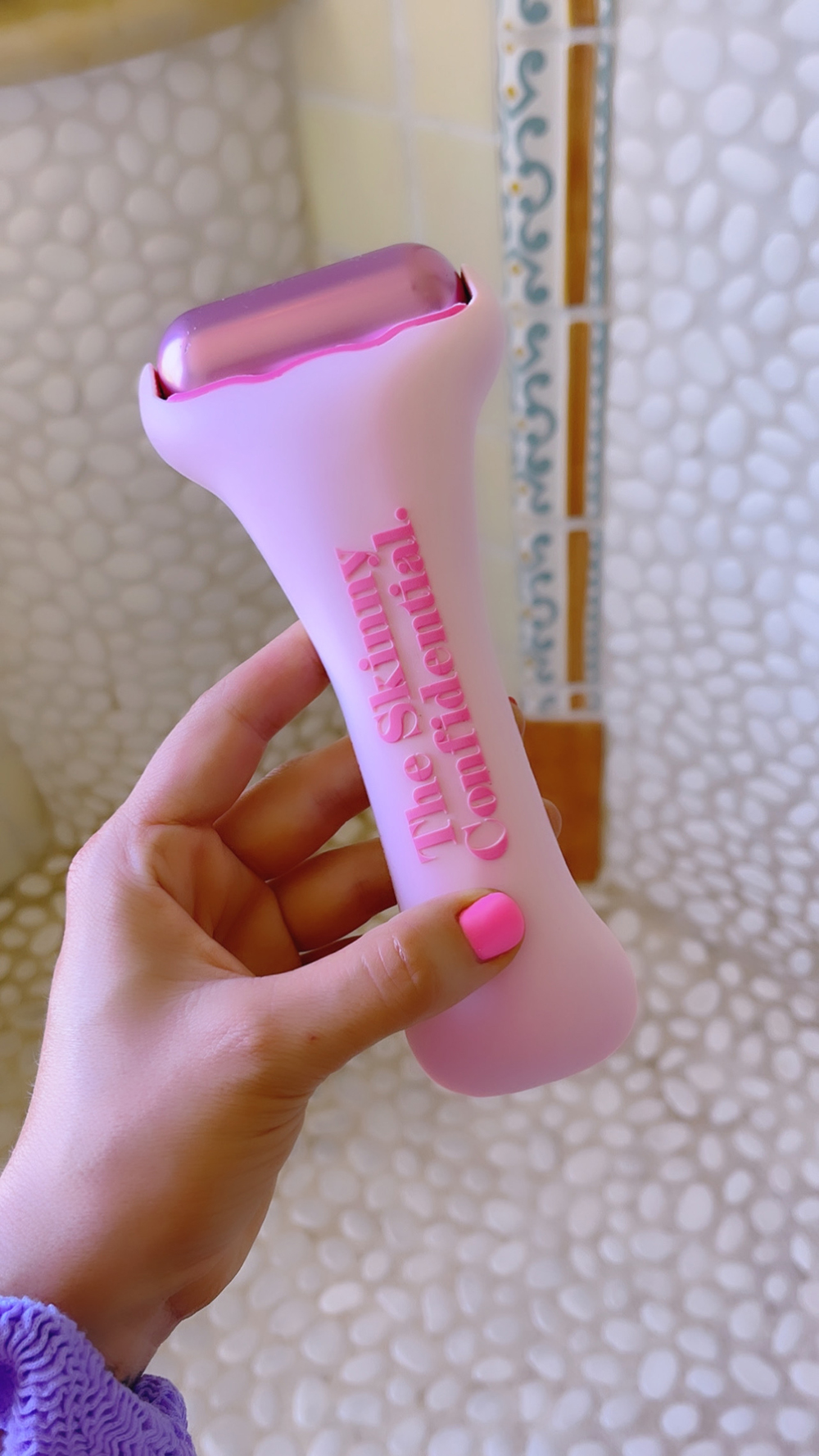
♡ Apply ice (or use a HOT MESS ice roller, of course).
Cystic pimples are basically clogged pores that are super inflamed due to the gunk trapped in the pore. And that inflammation can lead to larger pimples, redness, and soreness. To reduce these side effects, apply ice to your face to combat the inflammation.
You can use an ice pack, regular ice cubes, these milk ice cubes, or an ice roller. Other perks of applying ice to your face include that it shrinks the pores, reduces under-eye swelling, and basically gives you an instant facelift. Learn how to use an ice roller, here.
♡ Use a warm compress (NOT too hot though).
When you’re in the middle of a flare-up, grabbing a warm compress can be super helpful. It can soothe redness and pain, promote blood flow and healing, and soften the skin. Because heat can be damaging to the skin, make sure to limit the heat to 2-3 minute increments, ensure your compress ISN’T TOO HOT, and moisturize afterward.
For the best results, we recommended ROTATING BETWEEN A HOT AND COLD COMPRESS to heal your cystic acne. The cycle of hot and cold reduces swelling and pain. Plus, it softens and soothes the irritated skin and promotes cell regeneration and healing. Hot tip: try warming up your HOT MESS ice roller.
♡ Use a vinegar cleanser (apple cider vinegar, that is).
A well-known home remedy for cystic acne is washing the face with a vinegar solution. This is because vinegar is a strong, yet gentle and natural antibacterial agent. And what is cystic acne caused by again? Bacteria in the pores! So, it’s easy to see why this home remedy is usually effective.
Instead of using regular vinegar, we recommend using apple cider vinegar. ACV is just better for your skin. In addition to the antibacterial properties, ACV has anti-aging and pH balancing properties as well. For the purposes of treating acne, combine (2) capfuls of ACV with (1) cup of water and cleanse the face.
♡ Apply a turmeric mask (and no, it doesn’t turn your face yellow).
There’s been a lot of buzz about turmeric face masks lately and for good reason. Turmeric has antibacterial, anti-inflammatory, and anti-aging properties, it promotes healing of wounds, and it can help clear cystic acne.
The anti-inflammatory properties will reduce the look of redness, bumps, & acne spots or scars that you have right now. Then, the antimicrobial properties will cleanse your pores and help prevent breakouts down the road. To learn how to use turmeric on your face, click here.
♡ Keep a healthy lifestyle (mentally and physically).
Hormonal imbalances can sometimes cause things like excessive sweating and excessive oil production. Both of which can lead to hormonal cystic acne flare-ups. This is especially true during times in our life when our hormones are doing crazy things. Like during pregnancy for example.
One of the best ways to regulate your hormones is to maintain a healthy lifestyle. This means getting plenty of rest, eating healthy, and exercising on a regular basis, in addition to taking care of yourself mentally. Prioritizing your health can help you naturally get rid of cystic acne. (P.S: Try to incorporate some of these hormone balancing foods.)
♡ Consume plenty of probiotics (healthy gut bacteria for the win).
Gut health has been a trending topic for a while now. Mainly because we’re learning that gut health is directly linked to the health of other systems in the body, such as skin health. Because probiotics are known to promote gut health and reduce inflammation, many believe consuming probiotics on a regular basis can help clear cystic acne.
Probiotics are found in yogurt, kimchi, veggies, kefir, and other foods that contain healthy bacteria. Want to know where else you’ll find a nice dose of probiotics? THE SKINNY CONFIDENTIAL PINK DRINK! If you haven’t tried it yet, you’re in for a healthy, delicious, and pink (of, course) treat.
Also be sure to stalk Lauryn’s favorite probiotic from Just Thrive. Use code SKINNY for 15% off your purchase.
♡ Apply some tea-tree oil (yes, it smells bad, but it’s totes worth it).
Okay, we know what you’re thinking. Tea-tree oil doesn’t have the greatest smell, so why would you put it on your face? BECAUSE IT’S AMAZING, THAT’S WHY! It has antibacterial, anti-fungal, anti-oxidant, AND anti-inflammatory properties. Other than an acne treatment, you can also use tea-tree oil to treat toe fungus, dandruff, and even bad breath.
To treat cystic acne, apply tea-tree oil to the face at night, just like you’d apply a facial oil. For tips on when & how to use facial oil, click here. If you don’t want to put it all over your face, you can definitely just use this oil as a spot treatment.
♡ Apply a topical treatment (ONLY after speaking with a professional).
When the home remedies just aren’t cutting it, the next step is to apply a topical treatment. But, and we can’t say this enough, only after speaking with a professional or a board certified dermatologist.
Depending on your skincare and the severity of your acne, you might need a certain product. So, let the experts do their thing, rather than risking your skin on just any random product. And always do your research on the brand and ingredients used. Common ingredients to look for include benzoyl peroxide, salicylic acid, and retinol.
How To Treat Cystic Acne
- Prescription Topical Ingredients: Sometimes you need the heavy hitters like azelaic acid or high-strength retinoids; these help kill bacteria and speed up cell turnover so the infection doesn’t stay trapped for weeks.
- Professional Medical Interventions: If things are really severe, a dermatologist might prescribe oral antibiotics to tackle the infection from the inside out; these are often among the most effective treatments for cystic acne when topicals just aren’t cutting it.
- Targeted Over-The-Counter Solutions: You want to look for specific acne products that contain benzoyl peroxide or sulfur, which can penetrate deep enough to soothe the “angry” stage of the cyst without causing more irritation.
- Lifestyle and Internal Support: Since skin health starts in the gut, taking care of your internal biome is key; reducing sugar and dairy while increasing hydration can actually help prevent the cycle of new cysts from forming.
Cystic Acne Healing Stages
- The “Bruised” Stage: This is that familiar throbbing feeling before anything is even visible; this is your body sounding the alarm that an infection is starting deep down, and it’s the perfect time to start icing the area.
- The Peak Inflammation Stage: This is when the bump is at its biggest and most painful; the skin around it is usually very red and sensitive because your white blood cells are working overtime to fight the bacteria.
- The Flattening Stage: The pain finally subsides and the lump starts to feel softer or smaller; this is the “danger zone” where many people try to pick, but you must resist so you don’t cause a permanent dent!
- The Recovery and Pigmentation Stage: The bump is gone, but it often leaves behind stubborn dark spots; this stage requires brightening ingredients and tons of SPF to help the skin heal and return to its original glory.
Do Pimple Patches Work On Cystic Acne?
This is a tricky one! Traditional hydrocolloid patches work by sucking out fluid from a pimple that has already come to a head. Because cystic acne is so deep under the skin, a regular patch might not do much more than keep you from touching it. However, the NEW generation of “microneedle” patches are amazing for cysts. They have tiny, dissolving spikes that deliver active ingredients directly into the heart of the cyst, which can actually help shrink the swelling and kill the bacteria before it gets out of control.
Warm Or Cold Compress For Pimple?
The answer depends on what you need at the moment! If the cyst is brand new, throbbing, and super red, go for a COLD compress. The ice will constrict blood vessels and bring down that painful swelling immediately. If the cyst has been there for a while and feels “stuck,” or if you can feel a head starting to form, go for a WARM compress. The heat will increase blood flow to the area, which helps your body reabsorb the infection faster or gently encourages it to come to the surface.
Since we last published this post, the world of skin science has leveled up significantly, and we’ve found some even better ways to help you stay clear. One major tip is to “buffer” your actives—if you’re using something strong like a retinoid, put a thin layer of moisturizer on first to protect your barrier while the treatment works its magic. We’ve also realized that your phone screen is a total bacteria magnet! Try to use headphones or wipe your screen down daily with an alcohol swab so you aren’t pressing old germs into your jawline for an hour-long catch-up call. Another thing to consider is your laundry detergent; many “heavy duty” soaps have fragrances that can irritate sensitive, acne-prone skin while you sleep. Switching to a “free and clear” version for your pillowcases can make a massive difference in your morning skin. And let’s talk about “Maskne”—if you’re still wearing face masks for work or travel, make sure you’re using a silk or 100% cotton liner to reduce the friction that leads to new breakouts. We also want to remind you that your “stress levels” aren’t just a mental thing—cortisol literally tells your skin to produce more oil, so making time for a 5-minute meditation or a quick walk is actually a legitimate skincare step. Lastly, never underestimate the power of a fresh pillowcase; swapping yours out every two nights ensures you aren’t laying your face in a pool of yesterday’s sweat and hair products. Your skin is your largest organ, so treat it with the same respect you’d give your heart or your lungs! Consistency is always the secret sauce to seeing real results.
Make cystic acne your b*tch by utilizing some of these tips.
We get it, cystic breakouts are hard. And if you’re dealing with this on a regular basis, you’ve probably already tried everything in the book.
All in all, dealing with cystic acne revolves around reducing inflammation, preventing clogged pores, sticking with dermatologist recommendations, and finding what works best for you.
x, The Skinny Confidential team
+ for more tips on fighting acne, click here.
++ stalk this humidifier you need for plump & dewy skin.
SHOP THE POST:

I suffered on and off and it was definitely hormonal for me BUT I started following the medical medium and he talked about eggs and acne!!!!!!! Life changing for me! There is a direct link and no one is talking about it! I want everyone to know! 🙂
wait so like having more eggs reduces acne ??